
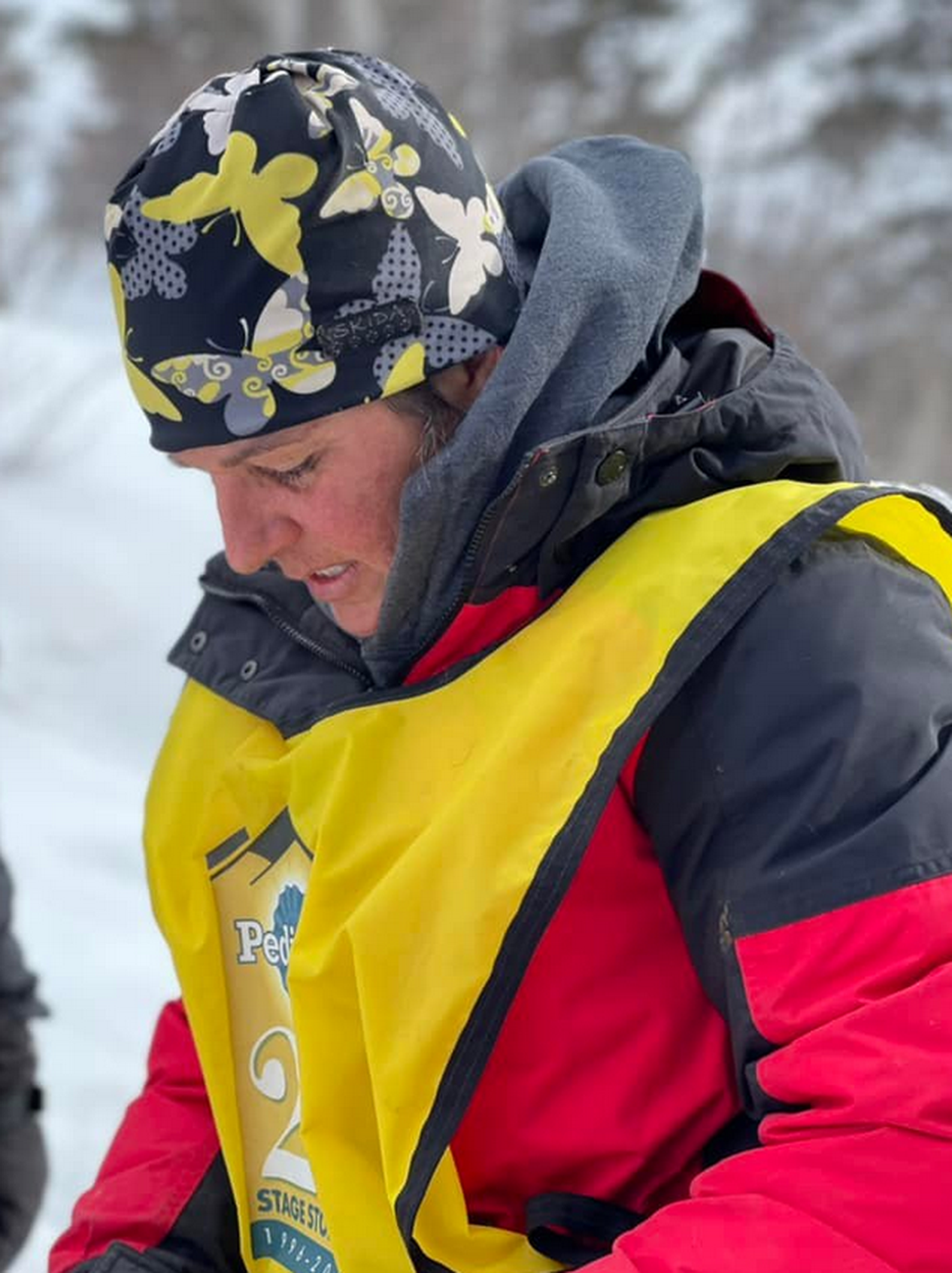
Anny Malo & Marco Rivest: 30 years behind the sled
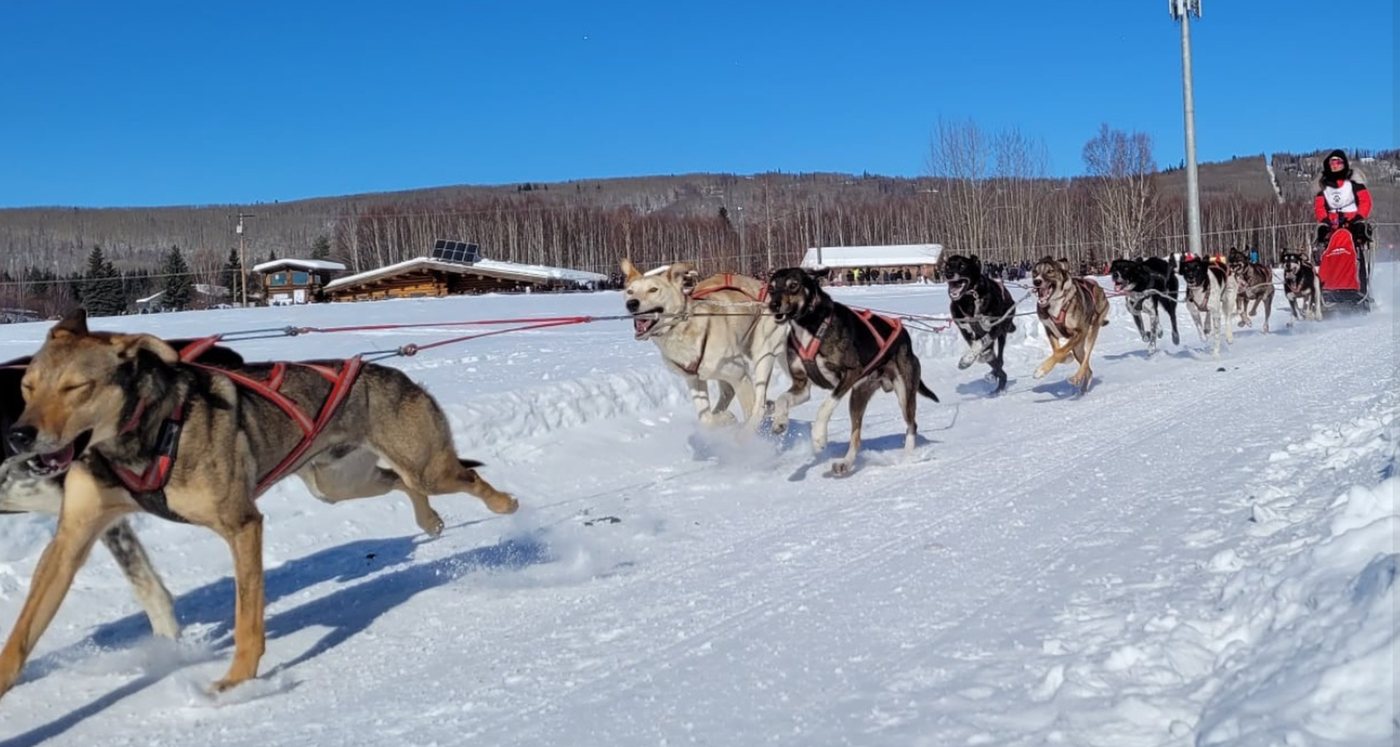
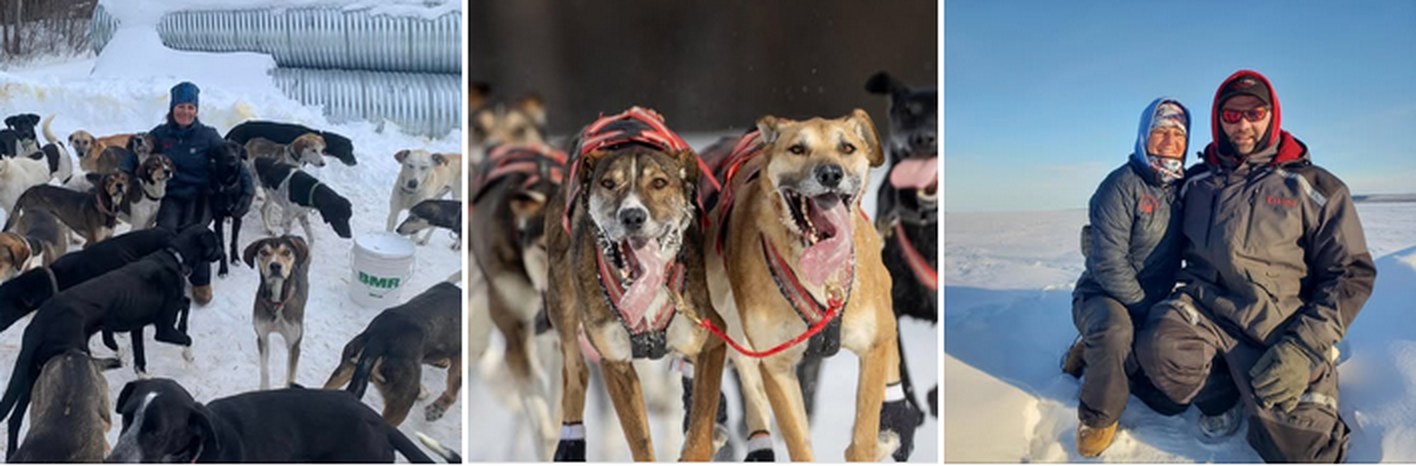
Anny Malo has won the Pedigree Stage Stop Race in Wyoming seven times, most recently in 2026, and was the first to win it four years in a row. She is a biologist and lives with her husband Marco Rivest and forty dogs in Saint-Zénon, Quebec. Every winter the two spend more than three months on the road with their team. For Mente Canina she wrote down how they feed, what they leave out, and why Marco handed her the race team after a difficult time.
For me, these two have been the measure of all things for years. I was a musher myself, and I admire the way they work with their dogs. And their dogs are the real deal.
“He used his dogs to court me”
How did you two get into mushing?
Marco started mushing at 10 years old, taking care of the dogs of his uncle, who has a tourist business. He had been racing since he was 11 on a mid-distance circuit in Quebec, competing in races of 50 to 60 km, and he already had trophies and medals to his name. At that time, Marco already had a kennel with around sixty dogs, and his whole family had their own teams.
I started in the world of sled dogs fairly late in life, at the age of 25. It was Marco who introduced me to this sport. In fact, we always joke that he used his four-legged friends to court me. Every evening after work, he would take me along in his sled and we would go for rides covering several kilometres. I ran my first 50 km race in 1996, and that’s when the adventure began.
How has your career developed over the years?
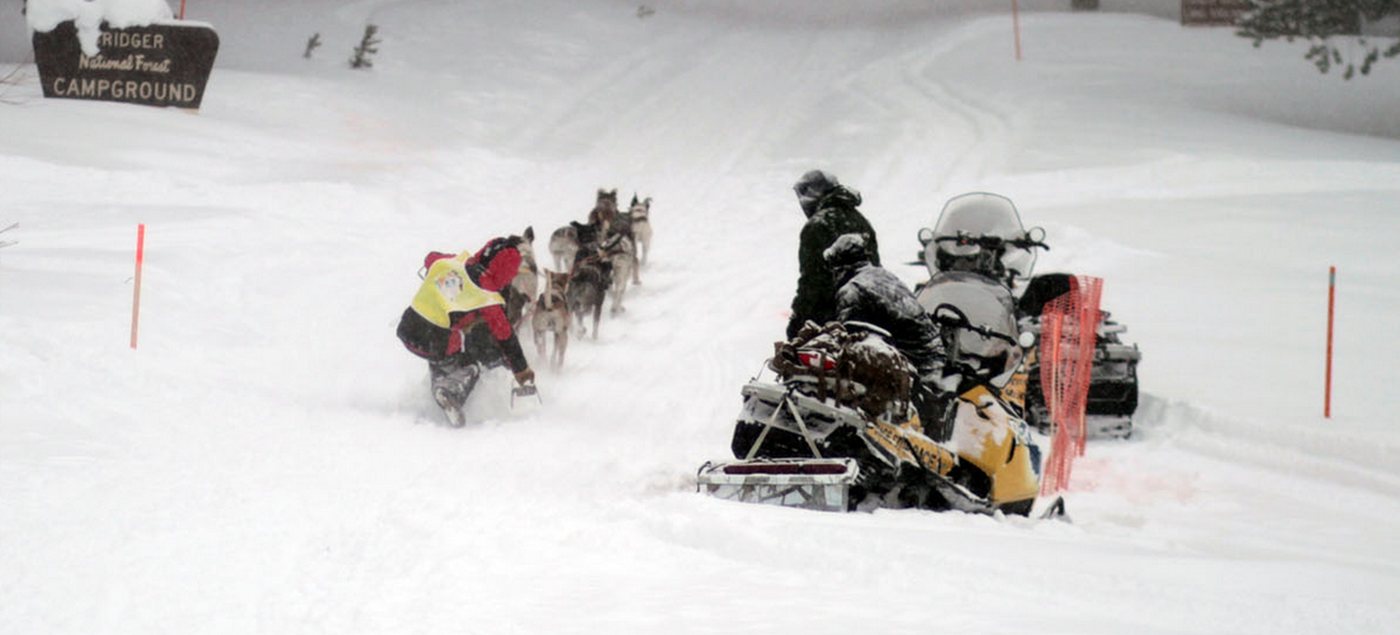
The following year, we looked into going to Alaska to handle for a musher and learn everything about the sport in the place where mushing is the national pastime. In 1998, we made the trip after contacting Joee Redington, a racer specializing in the longest sprints. It was the experience of a lifetime: eight months learning about sled dog bloodlines, training, equipment and trails. Pure paradise!
When we returned to Quebec, we participated in several races on the provincial circuit, but the races were getting shorter and we were craving bigger challenges. In 2002, we travelled to Alaska for a second time to race at ONAC. Marco ran with young dogs who would become the foundation of our bloodline. On the way, we stopped on the western Canadian circuit and really enjoyed those 60 km races over three days with mass starts. It was at these races that we learned most about the qualities we were looking for in our athletes: long distances, often very cold temperatures, and above all, very fast. Our breeding programme began to focus on these traits, and we raced there until 2010.
“He told me he had done it enough and that it was my turn now.”
That year, I learned that I had breast cancer, and my life was put on hold for two years. We reduced the kennel and our activities to take care of ourselves.
During my remission in 2012, we decided to treat ourselves to a trip with the dogs to the famous Pedigree Stage Stop in Wyoming. Marco raced the team, and I enjoyed the scenery with the children. After that difficult period, Marco let me race the competition team, telling me he had done it enough and that it was my turn now.
What role did your children play?
Tristan, our first son, was nine months old when we travelled to Alaska in 2002. Marco and I agreed that this would be a family adventure for as long as the children stayed at home. We returned sporadically to the races in the West with our little family, which had welcomed Elliot, our second son. After my illness, trips to western Canada and the United States followed every winter, with the family, our dogs and our trailer.
It’s always teamwork, so we do everything together. Even though the children are adults now, they’re never far from the kennel. We now race all winter long on the road with our forty dogs, on the mid-distance circuit and at stage stop races.
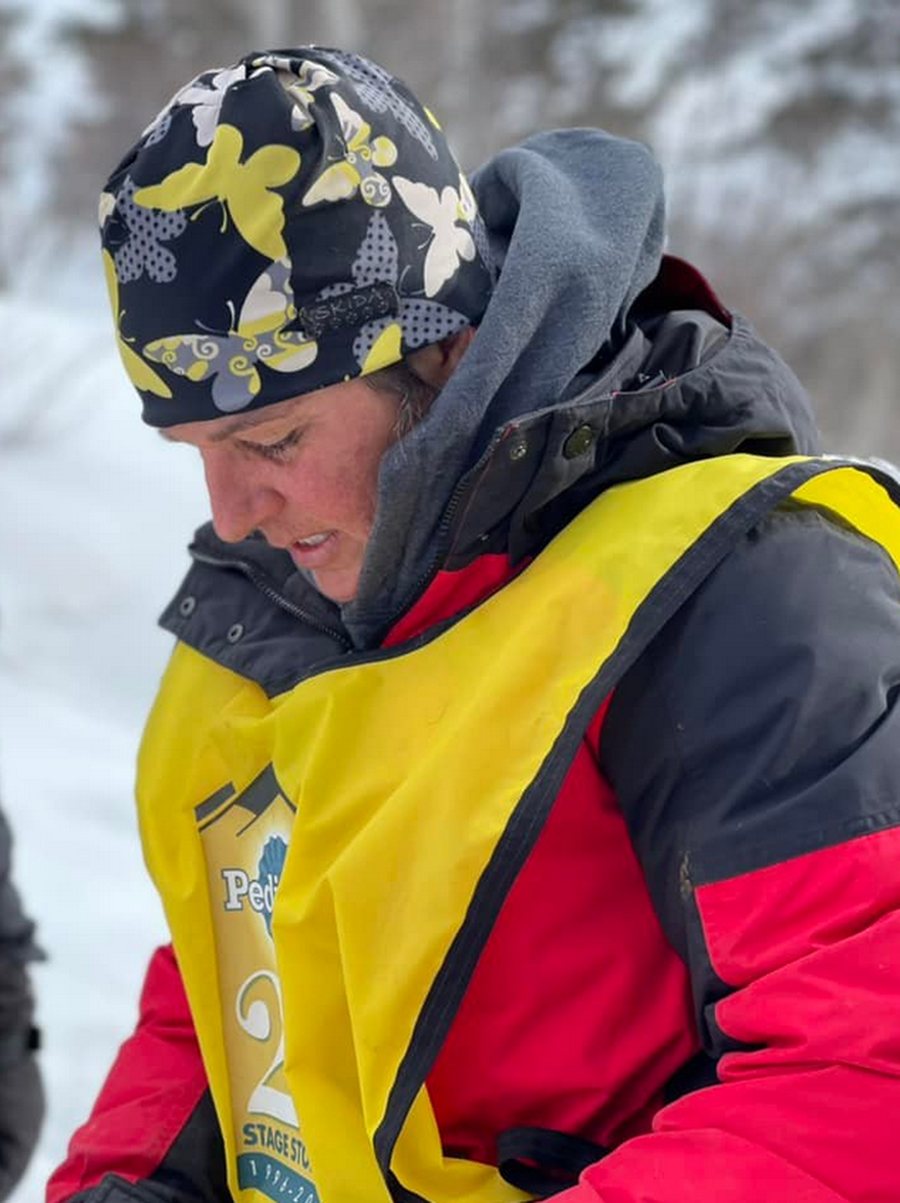
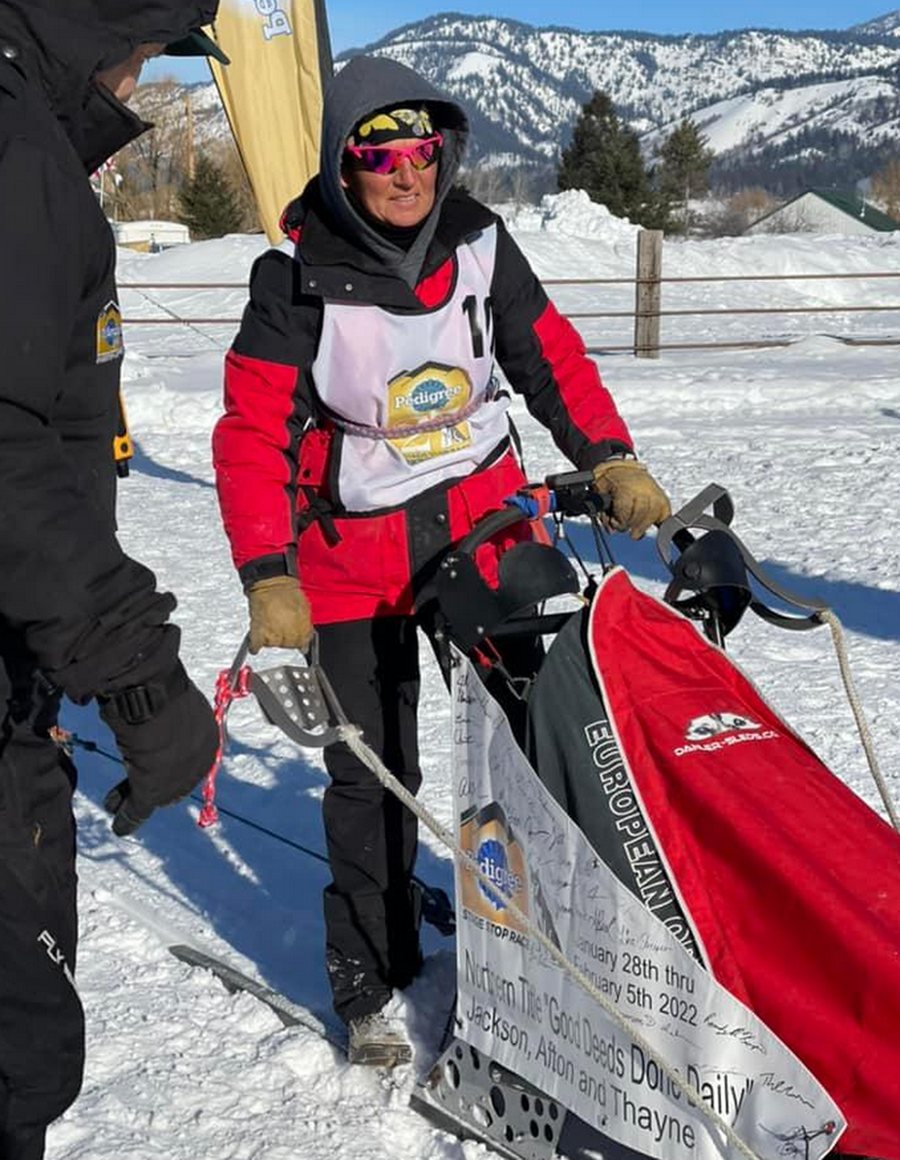
Anny, you are a biologist. How does this background influence your work with the dogs?
Absolutely. I’ve always felt that being a biologist and living the musher’s life are closely connected. My passion for biology was fuelled by a natural curiosity about life and the world around me. As a child I spent hours outside, completely absorbed in watching animals interact in their habitats. As a scientist, I’m constantly observing, learning and connecting different pieces of knowledge, skills that are just as valuable when working with a team of dogs out in the wilderness. Every day brings new challenges, discoveries and opportunities to deepen my bond with both nature and my dogs.
A day at the kennel
What does a normal day at your kennel look like?
The day begins with morning cleaning chores, followed by watering. Depending on the season, we train the dogs differently: using sleds in winter, or four-wheelers during the rest of the year when the temperature is below 12 degrees Celsius. Sometimes it’s playtime in the yard with the puppies and adults, or activities like leash walks. These tasks continue throughout the day. At the end of the day, it’s feeding time for the dogs.
How much time do you spend daily on feeding and care?
On average about 3 hours on a day off (no hook-up). It increases to 5 hours on training and racing days.
How do you coordinate training, feeding and recovery?
When the temperature is suitable, we hook up dogs all year round, but from mid-August we train every other day consistently. This schedule helps the dogs recover after each session. Feeding occurs in the morning before training, followed by a light soup immediately after. The main meal is served at supper time.
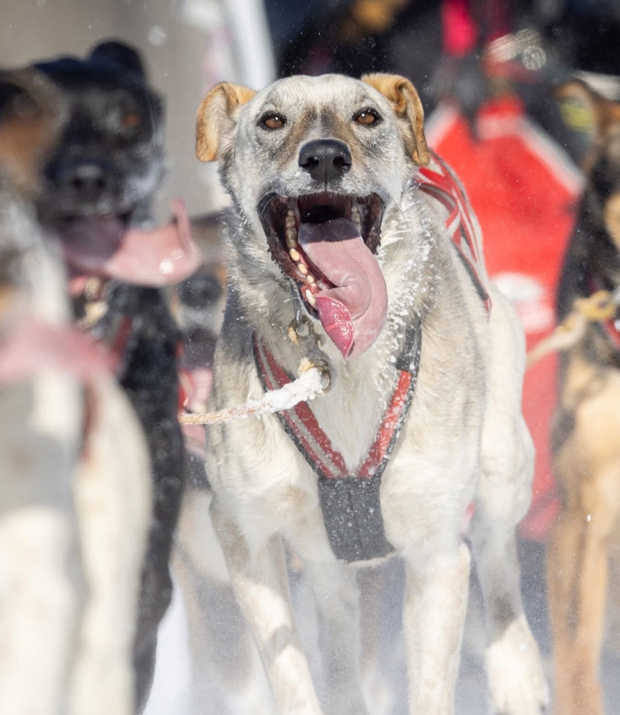
What goes into the bowl
What are your basic principles, and do you feed raw meat, kibble or a combination?
Our fundamental guideline is to provide each dog with a complete meal consisting of high-quality commercial food (32/20, meaning 32% protein and 20% fat). We supplement this with approximately one pound of fairly lean beef, which is thawed and mixed into the kibble along with water. During training sessions, we feed the dogs at least three times daily: a light soup in the morning, a more substantial soup following training, and an even heartier soup in the evening.
How do you adapt the diet for young, active and retired dogs?
The difference is mainly the quantity, as all the dogs eat the same. The puppies and the mother are fed twice a day.
And picky eaters?
We feed smaller amounts more frequently, but it’s generally less of an issue than getting them to drink. On the truck, the main challenge is usually encouraging them to drink rather than eat. Sometimes we add soft food, like canned meals, to make the water more appealing.
- 40 dogs, on the road for more than three months every winter
- Kibble with 32% protein and 20% fat, plus about one pound of lean beef per dog
- At least three meals a day during training periods
- 4.5 to 5 litres of water per dog on a racing day
- 3,000 pounds of beef and 2,000 pounds of kibble for one race season
Training and racing
How do you feed during training periods?
In the morning, we serve soup with beef and kibble. After training, they receive the same soup plus Glycocharge for recovery. For the main meal, our standard kibble and beef are supplemented with omega-3 oil and Hokamix. On longer training runs, their meals also include Impact.
When exactly do you give the supplements?
Glycocharge is added to the soup after training, which is given within 30 minutes after the effort. All the other supplements are added to the main meal at supper time.
This time window has been studied. In one study, sled dogs were given 1.5 g of carbohydrate per kilogram of body weight immediately after a 30 km run. After four hours they had replaced 49% of the muscle glycogen they had used; the dogs given nothing had replaced none. [1] We have not checked what exactly the products used by the two contain.
What changes before a race?
During racing season, we add probiotics and psyllium to the main meal; this is the only recipe change. Quantities may vary based on race type and temperature.
How do you feed during a stage race like the Stage Stop?
We think that consistency is crucial; establishing a solid feeding routine during the training and racing seasons is essential for keeping dogs healthy.
Do you adapt the diet to the type of stage?
Yes. When planning a feeding strategy, it is important to consider the environmental and trail conditions the dogs will face. Cold weather combined with long distances and hilly terrain requires increasing the amount of food, because these conditions lead to greater energy expenditure. Conversely, in warm weather, during short runs or on flat trails, the dogs expend less energy. In these situations we reduce the quantity of food while placing greater emphasis on hydration. Providing more water keeps the dogs well hydrated and minimizes the risk of overheating.
How do you feed after a hard training session or a race?
The difference is the quantity of food, and lots of water. On a racing day they will drink 4.5 to 5 litres.
How do you recognize when a dog is not getting enough energy?
Because we live closely with our dogs throughout the race season, we are able to observe them constantly. This allows us to recognize when each dog is at his ideal weight. Even the slightest change in a dog’s condition is quickly noticed, enabling us to promptly adjust his diet. It is essential not to lose control of a dog’s weight, as a significant drop can result in decreased energy levels, and it would take many days to restore him to his optimal weight and condition.
What is the biggest challenge when feeding during races?
Keeping the schedule straight with all the travelling is a challenge. Another really important one is to keep the dogs well hydrated.
How do you keep dogs eating under stress?
Routine is key. The dogs are trained to eat at the same time each day, in their designated box, which helps reduce stress from external factors. They are introduced to this routine from a young age. Training begins in the trailer when we travel north of our kennel. By starting early, the dogs become accustomed to the process and environment, which helps them adapt smoothly to training and travel demands as they mature.
Which experiences have shaped your feeding the most?
Our feeding strategy has been most significantly influenced by our experiences on the road. Travelling introduces greater stress for both the dogs and ourselves, which requires us to be more attentive and adaptive in how we manage their nutrition. Additionally, our participation in various race formats has shaped our approach. Each type of race presents unique challenges, prompting us to be increasingly precise in the way we feed.
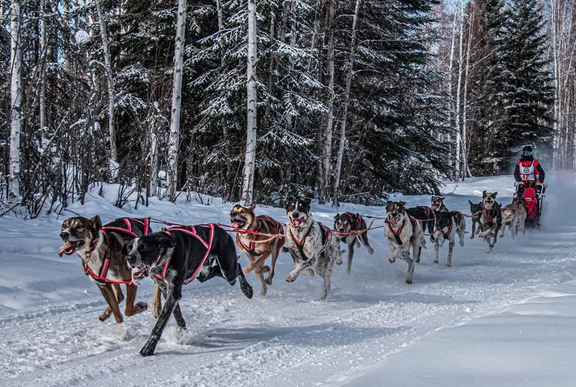
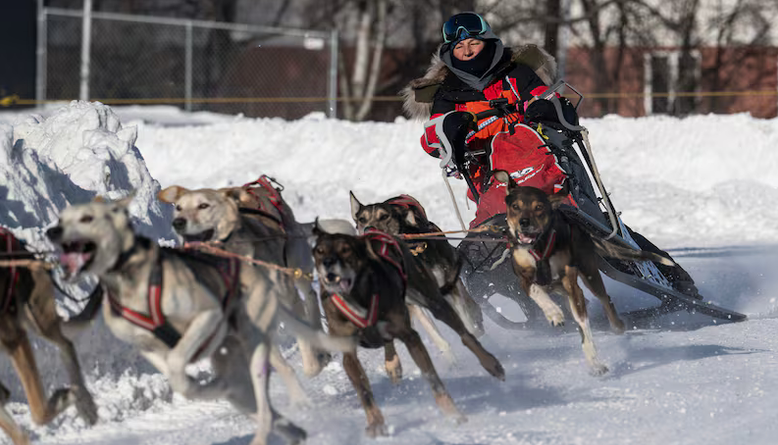
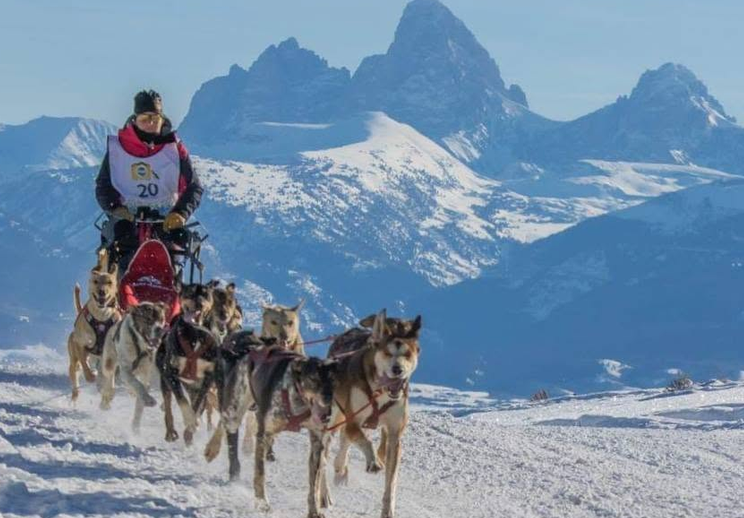
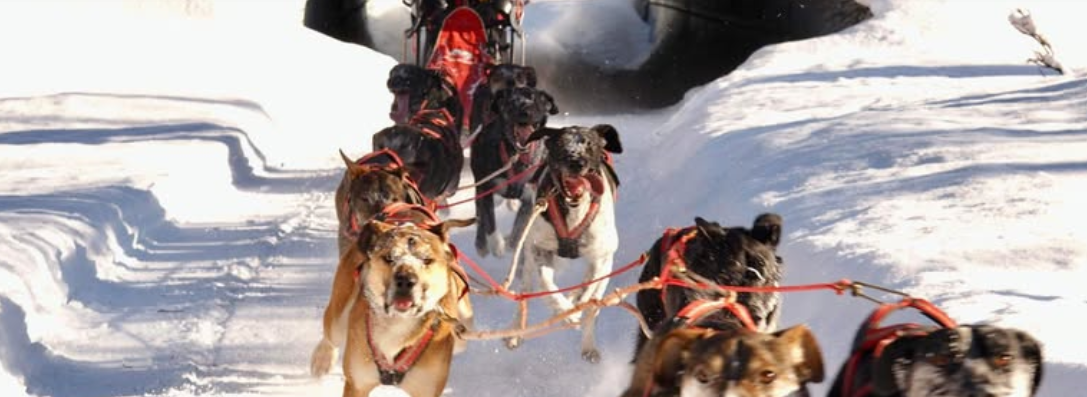
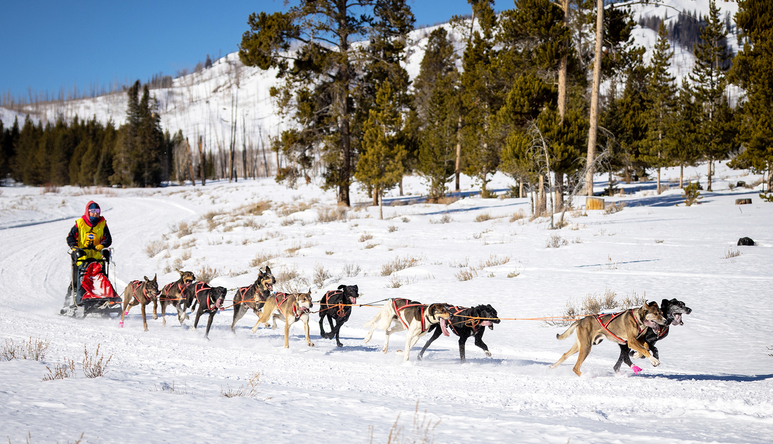
On the trail: in the forest, and with the lead dogs up front.
Supplements and trends
“No supplement can make up for poor basic nutrition.”
Which supplements do you use, and where do you draw the line?
Glycocharge, Impact, Hokamix, omega-3 oil, probiotics and psyllium. Over the years, we’ve tried many different supplements for our dogs and closely observed how each one affected their health. In the end, we chose to keep only those that clearly improved their overall well-being. For us, the foundation of any good feeding programme is the quality of the kibble and meat. No supplement can make up for poor basic nutrition. We keep our eyes open for new research and products, but we take our time to analyse them.
What do you think about grain-free food?
We observe that grain-free kibbles are more easily digested by the dogs, so they absorb more of the nutrients. We also have the chance to feed raw meat over the top of the kibble, which is a really good source of natural protein and fat.
This is what the two observe in their own dogs. They do not cite a study, and we have not checked any. We will look at grain-free feeding in one of our next issues.
3,000 pounds of meat on board
How do you organize feeding on long trips?
During the race season, we are away from home for over three months, accompanied by our dogs. To ensure consistency in feeding, we bring all necessary provisions with us: 3,000 pounds of beef, 2,000 pounds of kibble, and numerous containers of Glycocharge, Impact, psyllium, Hokamix and probiotics. Over the years, the most efficient method has been to measure and combine the correct quantities of each ingredient directly into each bowl.
For the main meal, the meat is thawed daily before being mixed with kibble and the required supplements. Additionally, 1/3 to 1/2 litre of warm water is added. For the morning soup, the meat is thawed overnight in a large cooler filled with hot water. In the morning, kibble and either Impact or Glycocharge are added, depending on whether it is before or after racing or training.
How do you ensure hygiene when handling meat and broths?
We clean daily with warm water and occasionally use bleach. One of the main reasons we avoid feeding chicken is hygiene while travelling during the winter months. Chicken, being fattier, is more prone to spoilage, and refrigeration and proper storage are not always available. We have also noticed that in warmer conditions our dogs tend to avoid eating fatty chicken.
“We are what we eat”

What role does feeding play in the long-term health of the dogs?
EVERYTHING! Choosing to feed your dog cheap kibble or reducing their portions may seem like a way to save money in the short term. However, this approach can have serious negative impacts on your dog’s health and overall capacity. Inadequate nutrition leads to a decline in your dog’s well-being, potentially shortening their lifespan and reducing their quality of life. This directly affects their athletic performance. The same goes for joints, coat and immune system. We are what we eat.
Do you see a connection between feeding and behaviour?
Absolutely. Careful observation of how each dog eats provides valuable insights into his mental state. By paying attention to a dog’s eating habits, it is possible to detect signs of fatigue, injury, stress or fear. Mealtime becomes an important opportunity to closely monitor both the dog’s behaviour and overall well-being, and to recognize changes early.
What does feeding mean for the trust between you and the dogs?
Feeding is a vital, ongoing element that forms a continuous line in the relationship between us and the dogs. It is deeply interconnected with education, training and overall care. Each feeding is more than a routine task. They get excited, so we know they are happy!
And your children?
Our children have grown up alongside us in the kennel. Even as their individual paths lead them in different directions, they continue to return and help with cleaning, feeding and training, and occasionally even join us in races. This shared passion strengthens our family bonds, and the dogs benefit from the familiarity.
What every dog owner can take away
What can ordinary dog owners learn from you?
Three things. First, prioritize quality: make sure your dog’s food comes from a reliable source of nutrients. Second, keep a consistent routine: predictable feeding times give your dog a sense of security. Third, adjust the quantity to the activity level, whether your dog is highly active or more sedentary.
And make daily feeding time more than just a routine task. Each meal is a valuable opportunity to observe your dog. By paying close attention, owners can notice subtle changes in behaviour, appetite and overall health, allowing for early intervention.
Quick questions
The most common mistake dog owners make? Cheap kibble, and too much of it.
Eating grass: deficiency or normal? With over 30 years of experience raising dogs, I have observed that when dogs are allowed to roam freely, they chew on wood, eat grass, trim brush and even consume dirt. These actions are common and, in my experience, do not necessarily indicate a nutritional deficiency.
Online nutrition advisors? I don’t read anything about nutrition on social media.
What does “species-appropriate feeding” mean to you? Carnivore versus herbivore???
What does it cost to feed a team? We honestly don’t really count for one team, as we feed the whole kennel almost the same. And maybe we don’t want to know the price, ha ha ha!
Do you have feed sponsors? No. We prefer flexibility in choosing our nutrient sources.
Which myth would you like to debunk? That raw meat is dangerous or not good for dogs.
Hygiene belongs in the picture. In 2019 the University of Zurich tested 51 raw pet food samples sold in Switzerland. 72.5% did not meet the hygiene standard for Enterobacteriaceae, around 60% contained antibiotic-resistant bacteria, and 3.9% contained Salmonella. The researchers advise strict hygiene when handling raw food. [2] The Malo-Rivest kennel also cleans every day.
Your feeding philosophy in one sentence? Feeding is one of a dog’s three essential needs, requiring quality food, appropriate portions and a consistent routine.
Four more tips from Anny
- When dogs are under stress, such as after surgery, they can digest food more easily if small portions are given in multiple meals throughout the day.
- Probiotics and psyllium can help dogs recover from diarrhoea and may also be used for prevention.
- In the evening of a race, we let the dogs loose and provide them with clear water to ensure they drink enough.
- Recent research comparing omega-3 and glucosamine for arthritis shows that omega-3 is significantly more effective.
Anny refers to a 2022 review. We read it: it evaluated 57 publications and found a clear pain-relieving effect for omega-3. For products containing chondroitin and glucosamine it found no effect. [3]
Sources for the editor’s notes
[1] Reynolds AJ, Carey DP, Reinhart GA, et al. Effect of postexercise carbohydrate supplementation on muscle glycogen repletion in trained sled dogs. Am J Vet Res. 1997;58:1252-1256.
[2] Nüesch-Inderbinen M, Treier A, Zurfluh K, Stephan R. Raw meat-based diets for companion animals: a potential source of transmission of pathogenic and antimicrobial-resistant Enterobacteriaceae. R Soc Open Sci. 2019;6:191170. https://doi.org/10.1098/rsos.191170
[3] Barbeau-Grégoire M, Otis C, Cournoyer A, Moreau M, Lussier B, Troncy E. A 2022 systematic review and meta-analysis of enriched therapeutic diets and nutraceuticals in canine and feline osteoarthritis. Int J Mol Sci. 2022;23(18):10384. https://doi.org/10.3390/ijms231810384
This interview was conducted in writing, in English, in 2025. Anny Malo answered for both. The answers are in her own words, shortened and arranged by the editors. Photos: courtesy of Anny Malo and Marco Rivest.